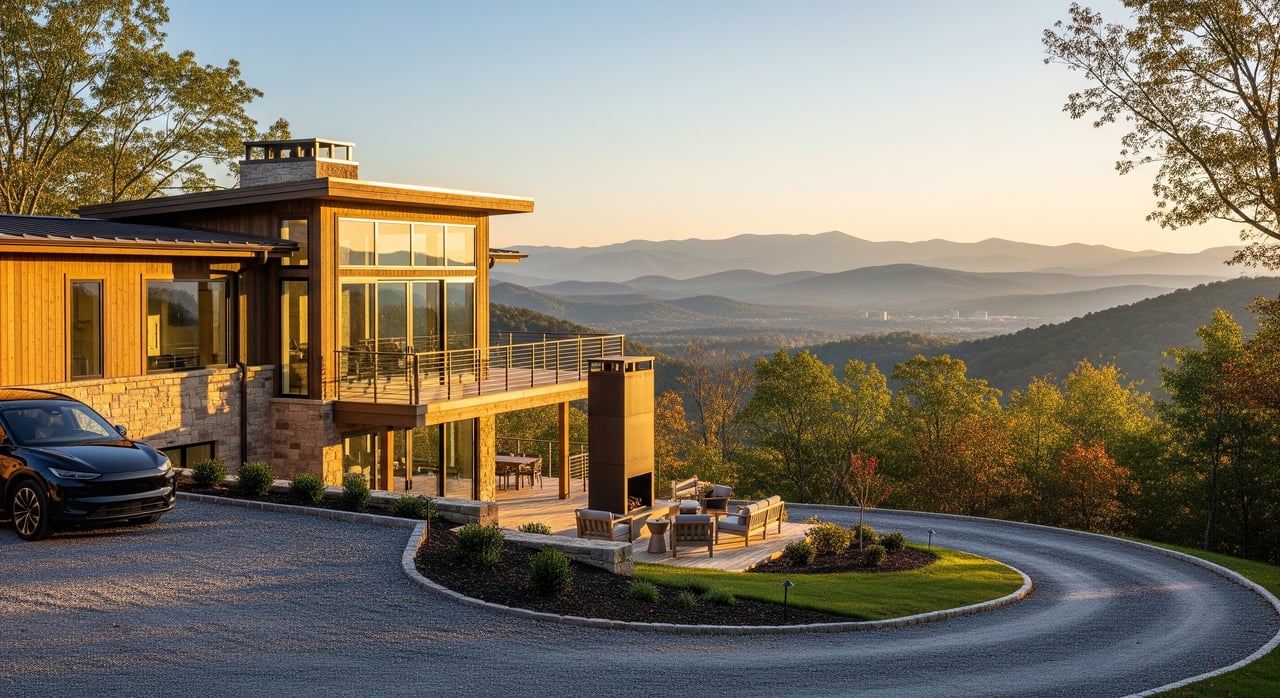
Dreaming about a Smoky Mountain cabin is easy. Living with one, and possibly renting it part time, is where the real decisions begin. If you are considering cabin ownership near East Tennessee, this guide will help you understand the day-to-day realities, the questions to ask before you buy, and the details that can shape whether a property feels like a retreat or a constant project. Let’s dive in.
Cabin Ownership Is Hands-On
A Smoky Mountain cabin is not usually a set-it-and-forget-it property. Weather, road access, utilities, wildlife, and local permit rules all play a role in how the home functions over time.
That matters whether you plan to use the cabin for personal getaways, occasional rental income, or both. The view may be the reason you fall in love, but operations are what determine how easy the property is to own.
Seasonal Access Affects Daily Life
The Smokies change dramatically through the year. Elevation can range from about 875 feet to 6,643 feet in Great Smoky Mountains National Park, and temperatures can vary by 10 to 20 degrees from lower areas to higher elevations.
In practical terms, that means one cabin may feel easy and predictable while another has more weather-related challenges. Spring conditions can shift quickly, summer often brings heat, humidity, haze, and thunderstorms, and winter snow is more common at higher elevations.
Fall Traffic Is a Real Factor
October is the busiest month in the national park. As fall color moves from higher elevations to lower valleys, travel times can stretch by hours.
If your cabin ownership plan includes weekend trips, guest stays, or service vendors coming and going, seasonal traffic should be part of your expectations. Busy roads can affect check-in timing, cleaning schedules, maintenance calls, and your own ability to enjoy the property without stress.
Some Roads Have Limits or Closures
Not every mountain road works the same way. Some routes are narrow, some are seasonal, and some restrict trailers, RVs, or buses.
There are also recurring closures to know about. For example, Cades Cove Loop Road is closed to vehicles each Wednesday from roughly May through September.
Before you buy, it is worth understanding not just how scenic the drive is, but how practical it is in every season. A cabin with more challenging access may need more planning for deliveries, service calls, and guest arrival.
Utilities Need Ongoing Attention
Many mountain cabins rely on private wells and septic systems. That creates a different ownership experience than a home on public water and sewer.
You are not just maintaining the structure itself. You are also responsible for keeping key systems safe and functional over time.
Well Water Testing Matters
Tennessee health guidance says private well owners are responsible for making sure their water is safe and should test regularly. That means well water is not a one-time box to check during the purchase process.
If you are buying a cabin with a private well, ask for any available testing history and be prepared to continue that routine after closing. Keeping good records can help you stay organized and respond quickly if a problem comes up.
Septic Systems Need a Schedule
Tennessee guidance says septic systems in rural areas should be inspected about every three years and pumped about every three to five years. Overloading the system, poor drainage, grease, wipes, and leaks can all lead to expensive repairs.
For a cabin that may host several guests at once, septic capacity is especially important. You will want to understand what the system can handle and how that lines up with the home’s approved occupancy.
Moisture Control Is Part of Ownership
Mountain settings can be hard on homes. Damp conditions, changing temperatures, and periods of vacancy can all increase the risk of moisture problems.
Tennessee recommends fixing leaks promptly, maintaining gutters and grading, and using ventilation or dehumidifiers to reduce dampness and mold risk. Those are not small details. They are part of protecting the cabin’s condition and your long-term costs.
Preventive Care Saves Money
A cabin can look great in listing photos and still need a thoughtful maintenance plan. Gutters, drainage, ventilation, and regular inspections help catch issues before they become major repairs.
If you are comparing properties, pay attention to signs of water management, not just finishes and furniture. In a mountain home, practical upkeep often matters just as much as style.
Wildlife Changes How You Manage the Property
Black bears are a normal part of life in and around the Smokies. That means trash handling is not just about convenience or curb appeal.
According to the National Park Service, bears are attracted to human food and trash. Food-conditioned bears can damage property and become dangerous, which is why proper storage and disposal matter so much.
Trash Setup Should Be a Buying Question
A good cabin setup includes a clear plan for trash and wildlife-resistant storage. In some nearby areas, including parts of Gatlinburg, animal-resistant container requirements have expanded to include some properties with Tourist Residency Permits.
If you are considering a cabin for personal use or occasional rental, ask how trash is stored, how often it is collected, and whether the current setup aligns with local rules. That is an everyday operations issue, not an afterthought.
Furnishings Should Match How the Cabin Works
It is easy to picture cozy décor first. In reality, furnishing decisions should start with occupancy, safety, cleaning, and replacement cost.
If the cabin may be rented at times, durable and easy-to-clean materials usually make more sense than delicate or high-maintenance choices. You want the property to hold up well between stays and remain simple to refresh when needed.
Safety Requirements Matter Too
Sevier County’s short-term rental application requires smoke alarms in sleeping rooms and on each story, carbon monoxide alarms near bedrooms, and at least one fire extinguisher on each level. The county also recommends confirming the certificate of occupancy and maximum occupancy before buying a permitted short-term rental.
That tells you something important. Layout, sleeping capacity, and life-safety items are part of the cabin’s operating plan, not just design details.
Rental Rules Depend on Location
One of the biggest surprises for buyers is that the exact jurisdiction can change the ownership picture. A cabin in unincorporated Sevier County may follow one set of rules, while a cabin inside Gatlinburg or Pigeon Forge may follow another.
That is why the property map line matters just as much as the cabin itself. Two homes that look similar can have very different rental pathways and carrying costs.
Sevier County Rules
In unincorporated Sevier County, a short-term rental permit is required for overnight rentals. The permit is valid for 12 months pending on-site inspection, and unpermitted operations may face a $50 per day penalty.
If a unit loses permit status for more than six months, it may need to meet locally adopted fire and life safety codes before operating again. The county also recommends verifying the certificate of occupancy, original application date, inspection reports, and whether the property is in an area that allows short-term rental use.
Gatlinburg and Pigeon Forge Rules
Gatlinburg allows overnight rentals within city limits when the property is properly zoned and the owner applies for a Tourist Residency Permit. Pigeon Forge uses its own zoning framework, and short-term rental use in the R-1 district is permit-based.
For you as a buyer, that means rental potential should always be verified at the local level before you make assumptions about income or use. A beautiful cabin is only part of the equation.
Taxes and Fees Are Part of the Math
If you may rent the cabin, taxes add another operating layer. Tennessee says short-term-rental marketplaces must remit occupancy tax on qualifying marketplace bookings, while local occupancy taxes are otherwise generally paid directly to the county or municipality.
The state also says the taxable sales price includes the guest’s total rental charges, not just the nightly rate. That includes required charges such as cleaning fees, booking fees, pet deposits, and property-damage protection fees.
Look Beyond the Nightly Rate
This is one reason buyers should think beyond headline income projections. Cleaning-fee strategy, booking method, and tax handling can all affect the cabin’s actual performance and your day-to-day management.
If you are evaluating a property as a second home with occasional rental use, it helps to think of ownership as a small operating business. That mindset can help you spot opportunities and avoid expensive surprises.
Smart Questions To Ask Before Buying
A cabin purchase goes more smoothly when you ask practical questions early. Here are some of the most important ones to research:
- Is the property in unincorporated Sevier County, Gatlinburg, Pigeon Forge, or another jurisdiction?
- Is short-term rental use allowed by zoning and, if relevant, by HOA rules or community covenants?
- What does the certificate of occupancy allow for sleeping capacity?
- Is the cabin on sewer or septic, and on public water or a private well?
- When were the septic system last inspected and pumped?
- When was the well last tested?
- Are the roads accessible year-round?
- Are there restrictions on trailers, RVs, or large vehicles?
- What trash and wildlife-storage system is in place?
- Who handles cleaning, weather response, guest issues, and local emergency contact duties?
- Are permit, inspection, and tax records current?
- If the cabin is not currently operating as a short-term rental, what would need to change before it legally could?
What Ownership Really Feels Like
The simplest way to think about Smoky Mountain cabin ownership is this: it is usually more active than many first-time buyers expect. Once rentals enter the picture, the cabin often operates more like a lightly managed hospitality property than a passive second home.
That does not mean it is the wrong fit. It means the best purchase decisions come from understanding how the property works in real life, from road access and weather to septic records, safety requirements, and local permit status.
If you are weighing a cabin purchase around East Tennessee and want clear, local guidance on how a property fits your goals, Nancy Keith can help you evaluate the details with a practical, informed approach.
FAQs
What is daily life like with a Smoky Mountain cabin?
- Daily life can be more hands-on than many buyers expect because weather, road access, private utilities, moisture control, wildlife, and local rules all affect how the property operates.
What should you know about roads near Smoky Mountain cabins?
- Some mountain roads are narrow, seasonal, or restricted for certain vehicles, and weather or seasonal closures can affect access, travel times, and service logistics.
What maintenance should you expect with a mountain cabin?
- Many cabins need regular attention to wells, septic systems, drainage, gutters, ventilation, and moisture control, along with good recordkeeping for inspections and service.
What should you ask about septic and well systems in Tennessee?
- You should ask when the septic system was last inspected and pumped, when the well was last tested, and whether there are maintenance records that show the systems have been properly cared for.
What wildlife issues affect Smoky Mountain cabin ownership?
- Black bears are common in and around the Smokies, so secure trash handling and proper food storage are important for protecting both the property and safety.
What should you know about renting a Smoky Mountain cabin?
- Rental rules depend on the property’s exact jurisdiction, zoning, permit status, occupancy limits, and local safety requirements, so those details should be verified before you buy.
What taxes apply if you rent out a Smoky Mountain cabin?
- Tennessee says the taxable rental sales price includes the guest’s total required charges, and occupancy tax handling can depend on whether bookings come through a marketplace or are managed directly.
Why does location matter so much for cabin ownership?
- A cabin’s location affects access, utilities, permit rules, tax handling, and whether short-term rental use is allowed, which can change both the ownership experience and the property’s economics.