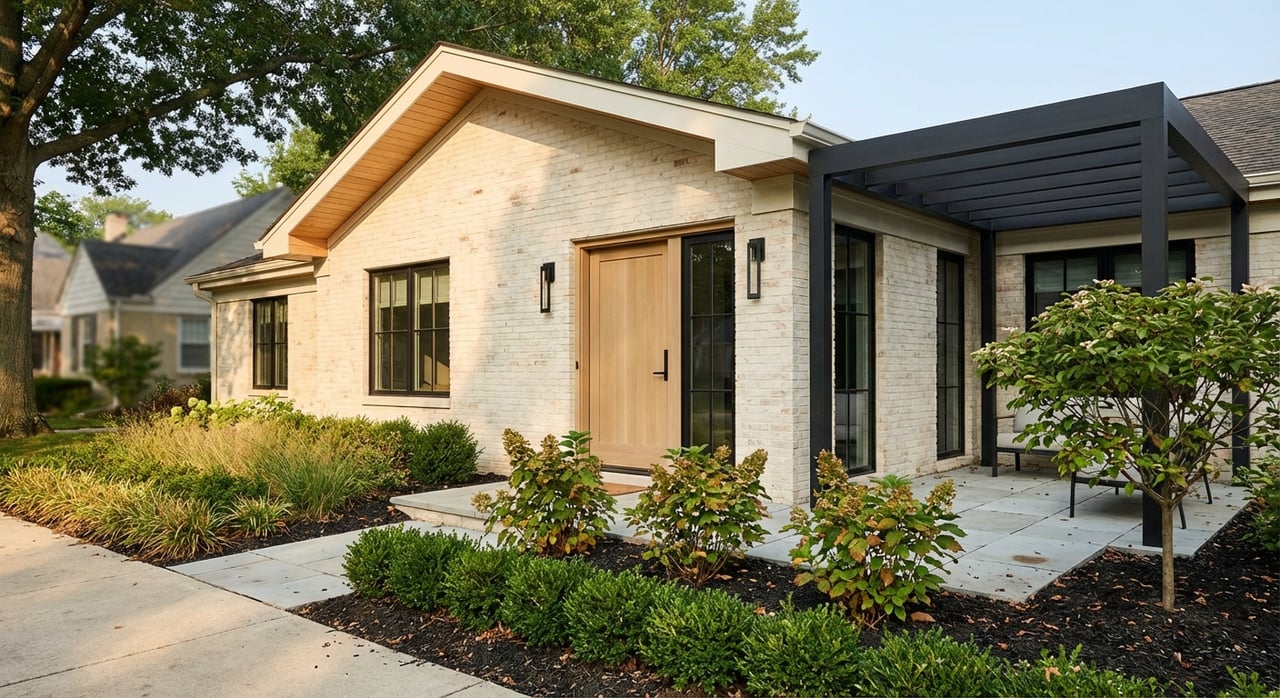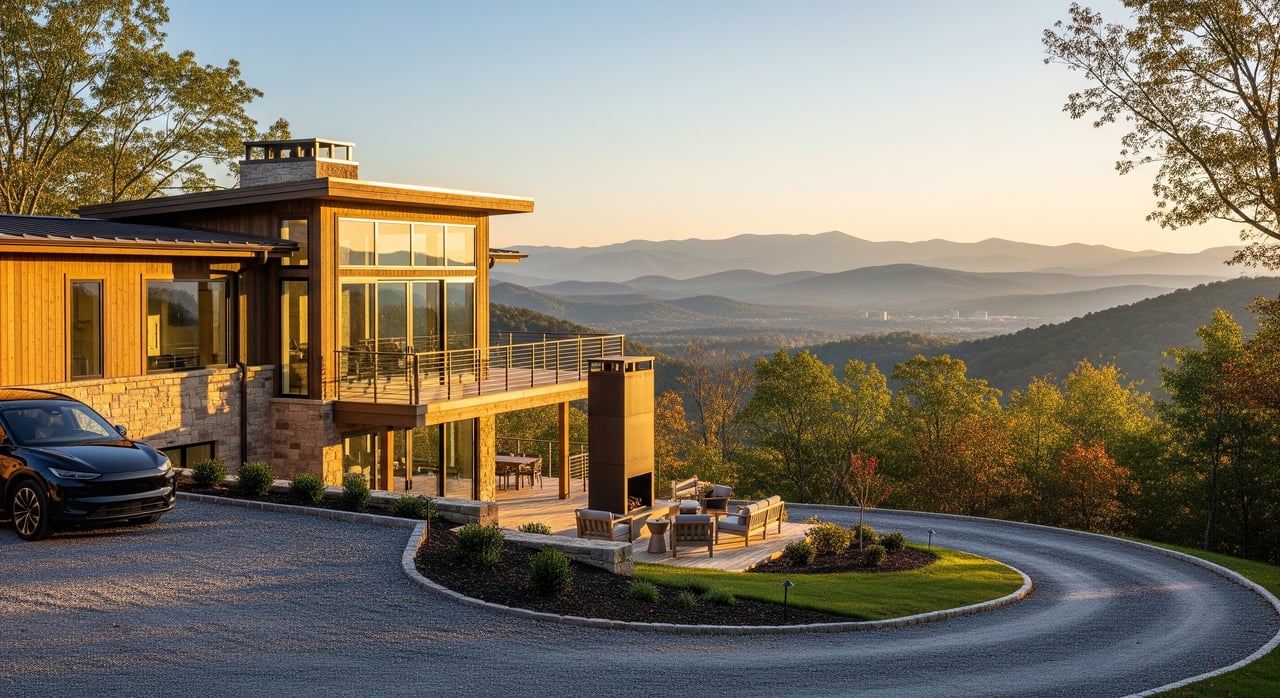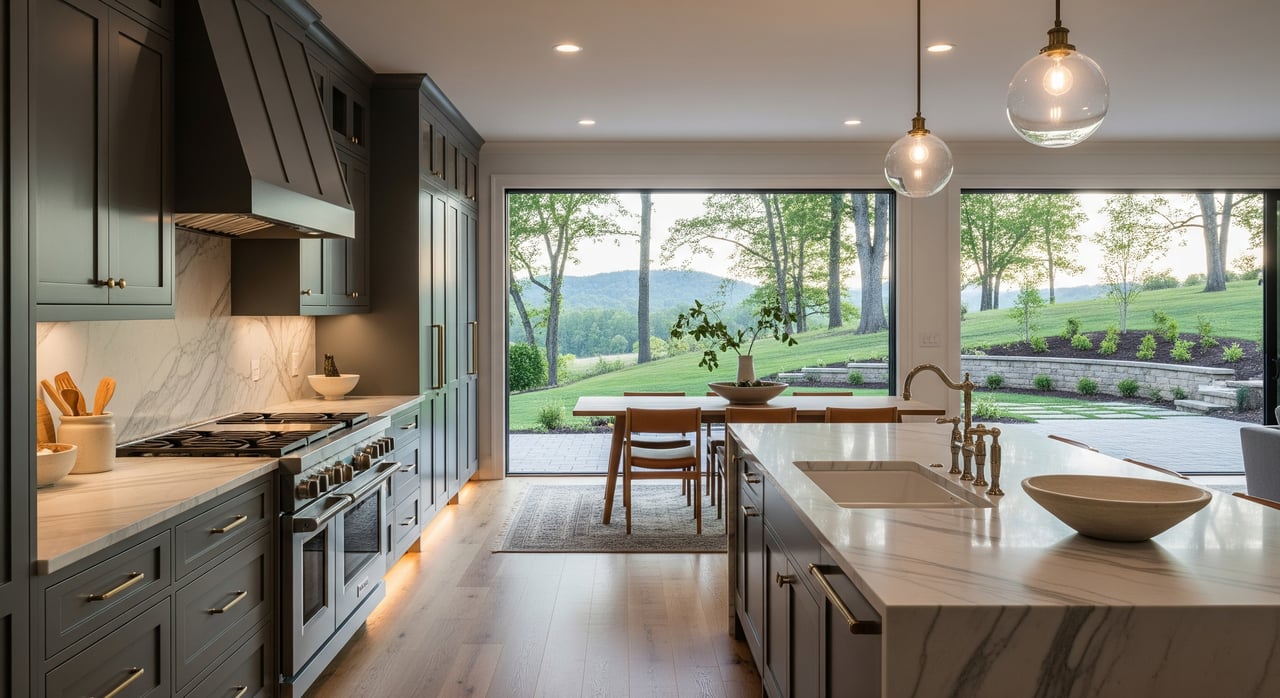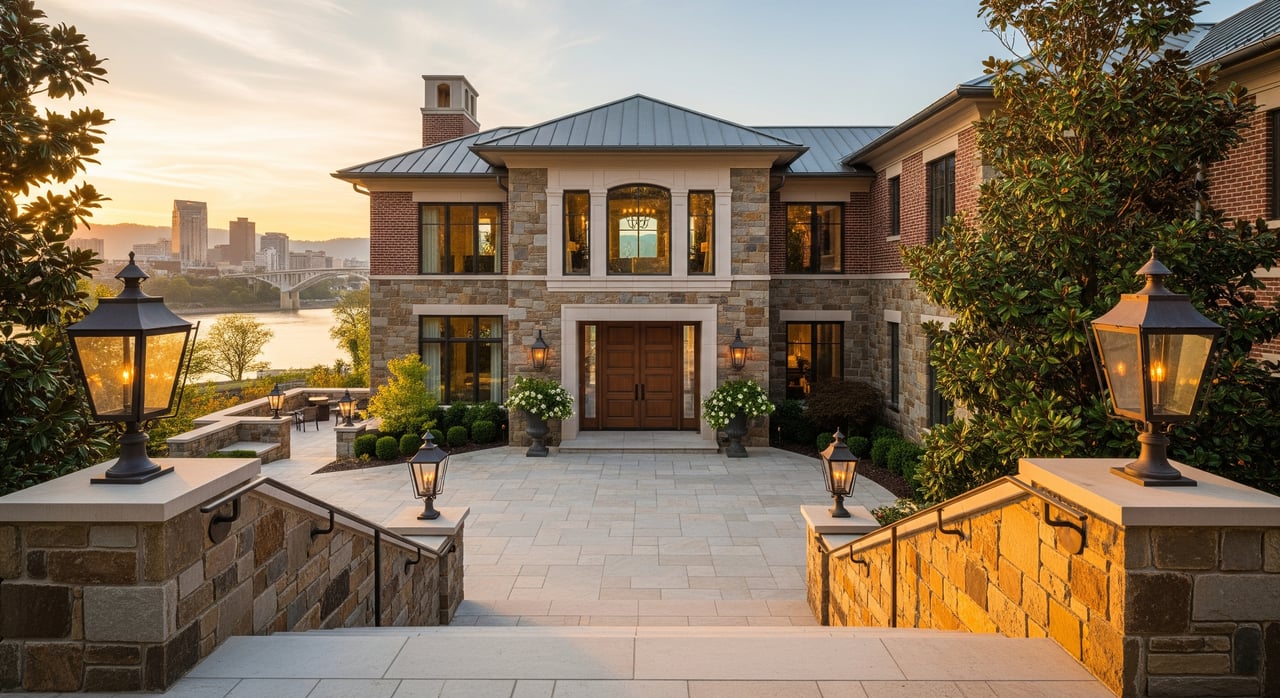
Torn between walk-to-everything energy and the space of a quiet street? Choosing between Downtown Knoxville and the suburbs can feel like comparing two great but very different lifestyles. You want clarity on commute times, home types, pricing, and day-to-day costs before you commit. This guide gives you a clear, local comparison so you can match your priorities to the right area. Let’s dive in.
Quick snapshots: the feel of each area
Downtown Knoxville at a glance
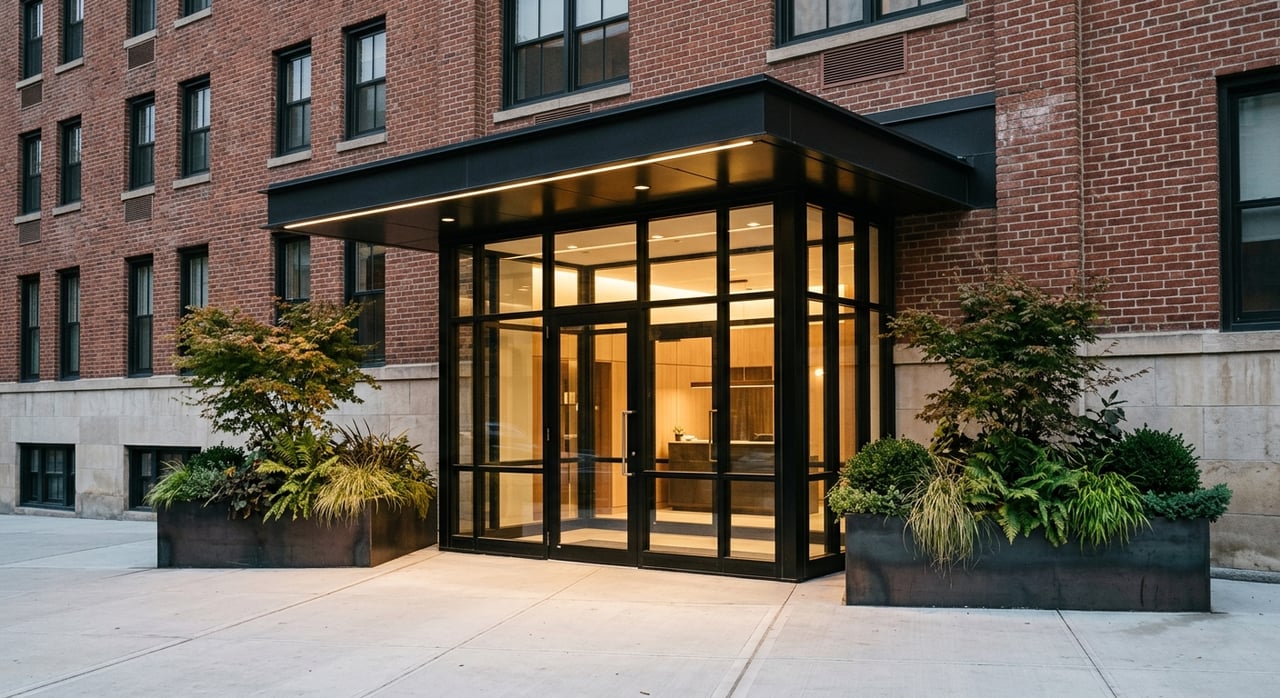
Downtown delivers a compact, culture-forward vibe with Market Square, Gay Street, the Tennessee and Bijou Theatres, and the Old City all within easy reach. You can explore festivals and venues highlighted in the city’s tourism coverage, like those featured by Visit Knoxville. Walkability is a real advantage downtown, with high address-level scores on Walk Score, plus multiple Knoxville Area Transit routes and the Downtown Connector.
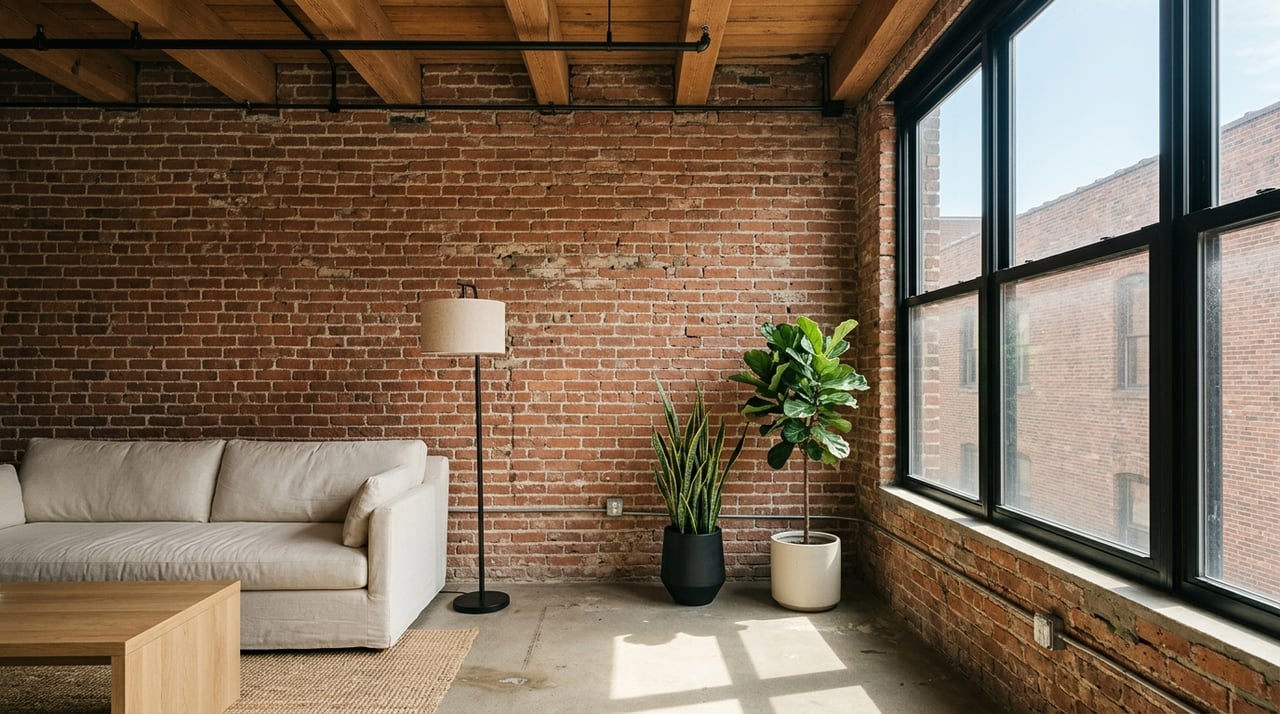
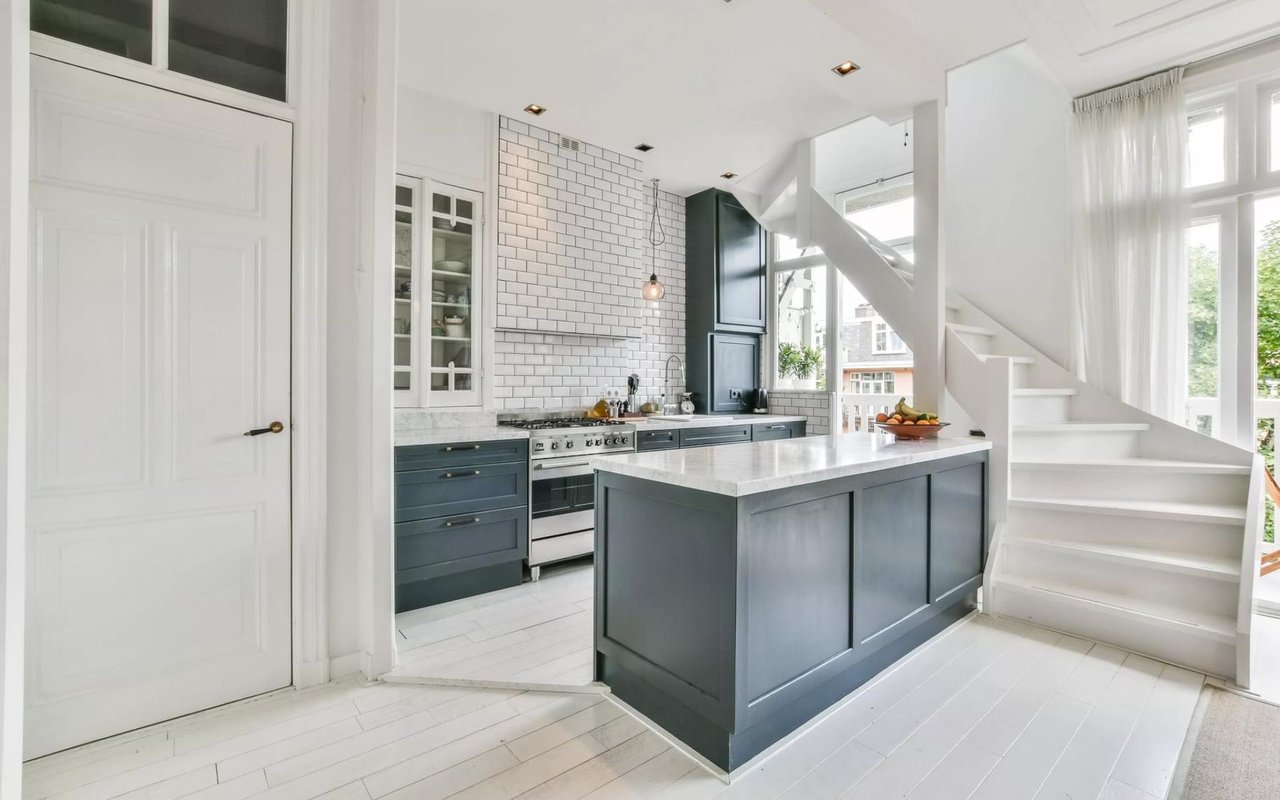
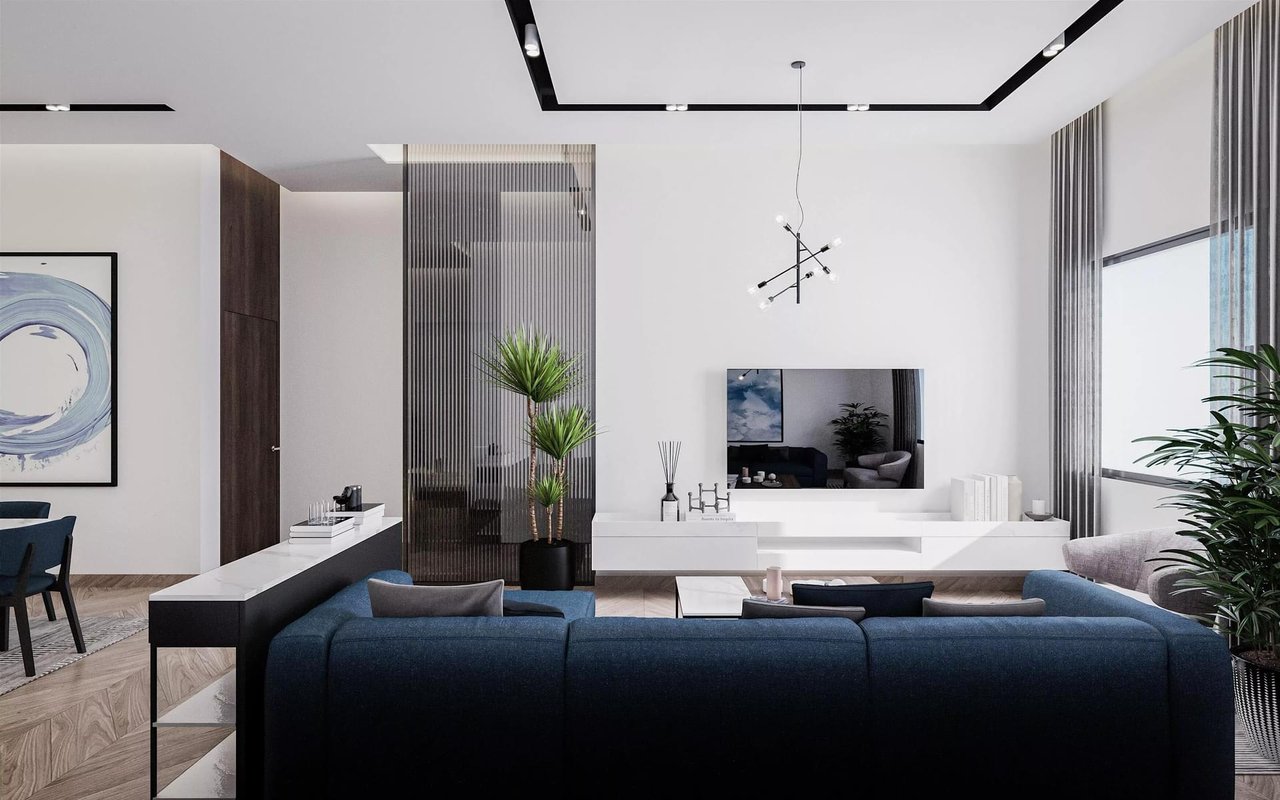
Housing here skews to historic lofts, mid-rise condos, and new infill buildings with HOA management. Units often trade at a different price per square foot than single-family homes, and parking is usually assigned or garage-based rather than a private driveway. City-wide, Redfin’s February 2026 snapshot shows a roughly $325,000 median sale price and about $227 per square foot, but downtown condo pricing varies by building and amenities.
Farragut at a glance (West Knoxville)
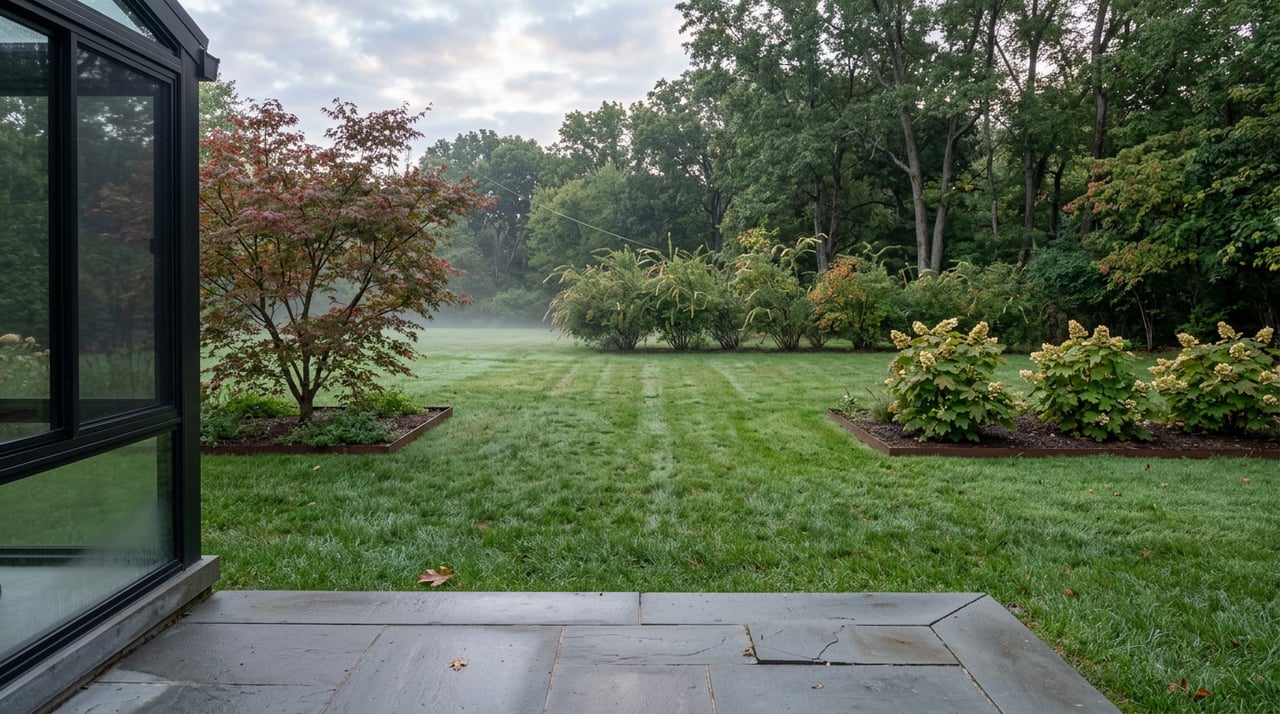
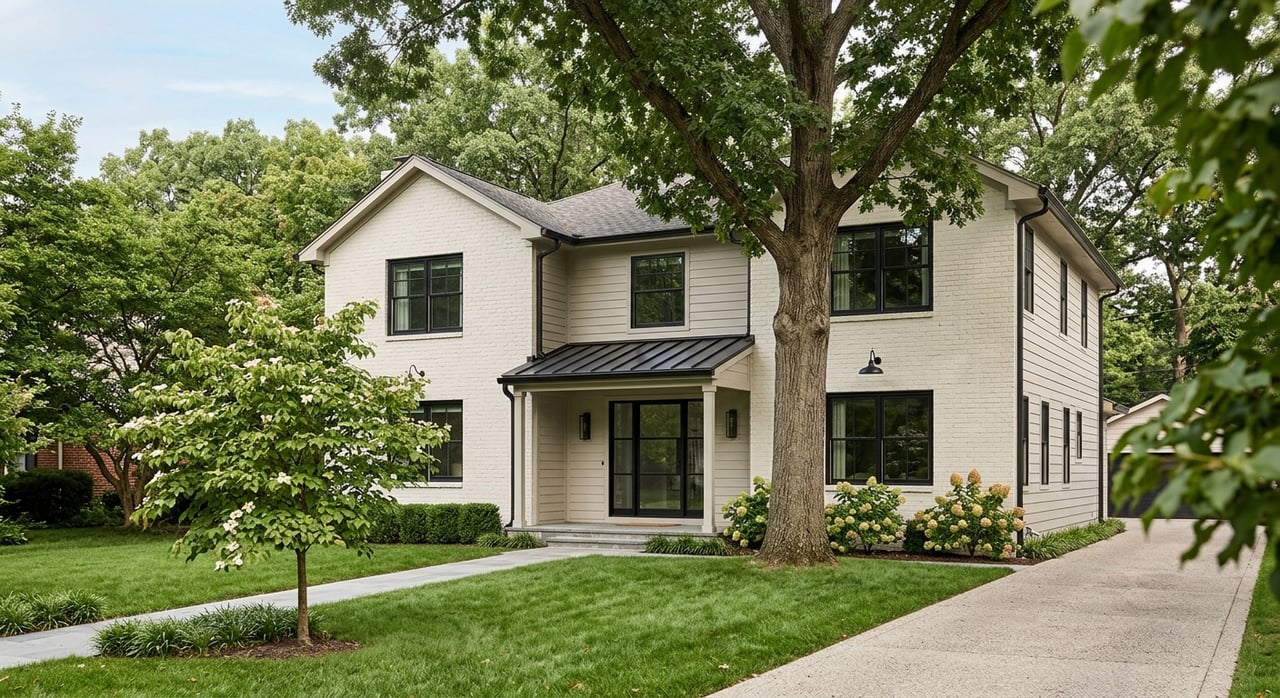
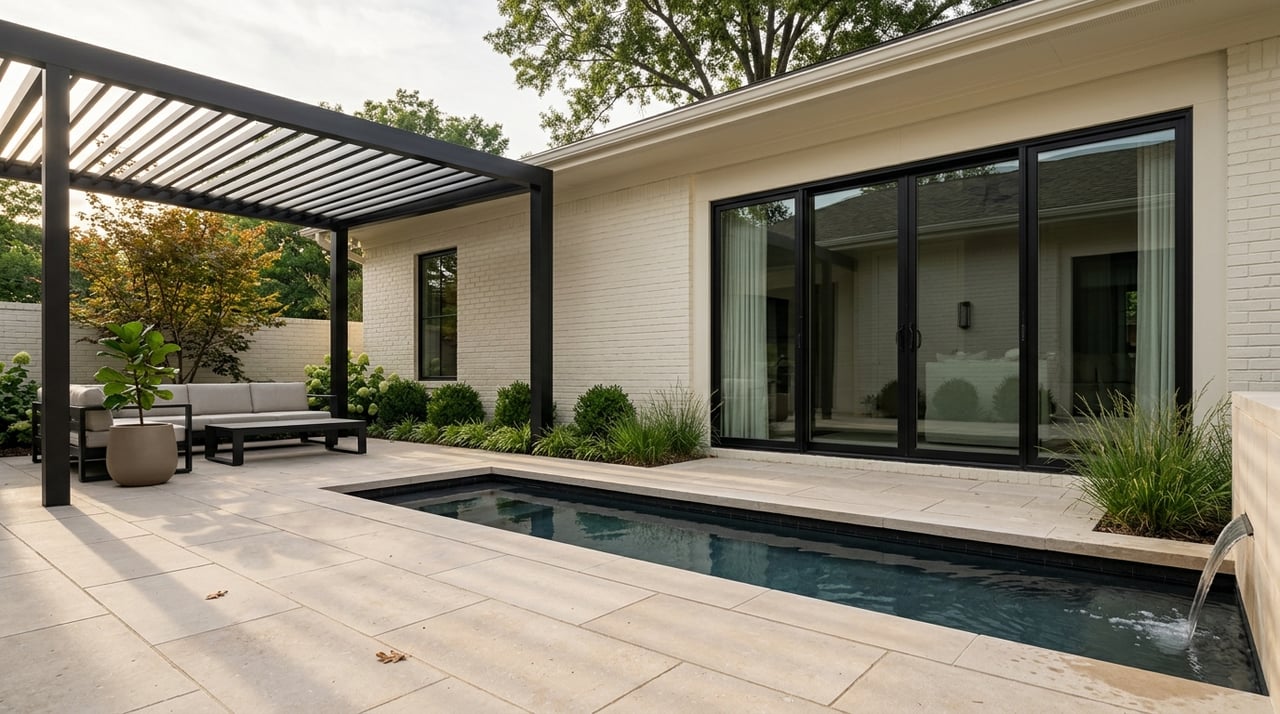
Farragut offers a planned-suburb feel with destination retail around Turkey Creek and extensive greenways. Daily life is typically car-oriented, with low average walkability across most blocks per Walk Score. Many buyers choose Farragut for newer subdivisions, larger homes, and defined school zoning.
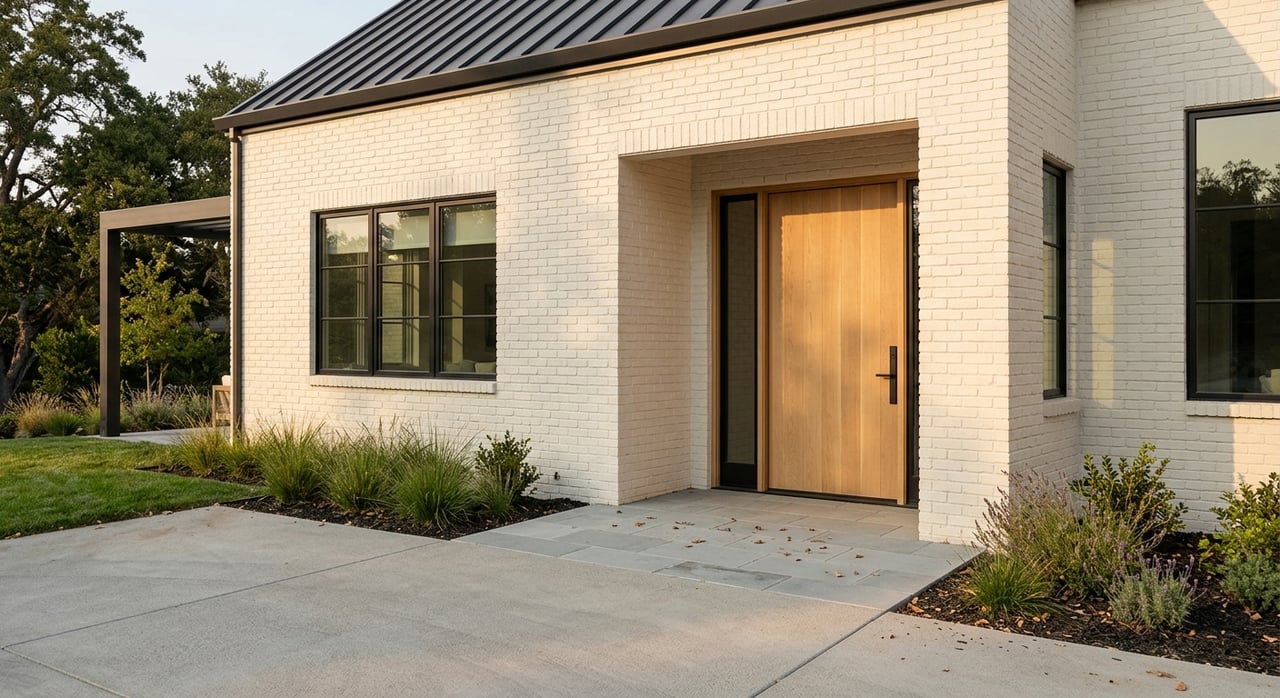
Inventory is predominantly single-family homes with yards and garages. Multiple data providers show Farragut among the region’s priciest suburbs, with recent medians ranging from about $627,000 (Redfin, early 2026) to the upper $600Ks and $700Ks on other portals. Exact values shift by neighborhood, age of home, and updates.
Maryville at a glance (Blount County)
Maryville blends suburban comfort with a smaller-city core and proximity to the Smokies. The city highlights its services and community resources through Maryville’s official site. While the citywide average walkability is low, the historic downtown and sections along E. Broadway offer more walkable pockets per Walk Score.
Like Farragut, Maryville’s housing is mostly single-family. Price points are generally lower than Farragut, with Redfin’s February 2026 snapshot near $371,000 and other sources ranging through the mid-$300Ks to low-$400Ks depending on the neighborhood.
Commute and transit realities
If your work or regular outings are downtown, build commute time into your decision. Farragut is roughly 15 to 16 miles west of Downtown Knoxville, commonly a 20 to 30+ minute drive depending on traffic. A reference route is outlined by Travelmath’s Farragut-to-Knoxville drive distance. Maryville sits roughly 16 to 20 miles south, with typical drives around 25 to 40+ minutes depending on route and rush-hour conditions. Exact times vary by address, so check peak-hour estimates from your front door.
Transit coverage is strongest in the city core. Knoxville Area Transit runs fixed routes designed around downtown and the UT area, including the frequent Downtown Connector. Fixed-route options are limited deeper in the suburbs, so most suburban commuters drive or carpool.
Parking and daily costs downtown
Downtown parking is a mix of metered on-street spaces and public garages. The City of Knoxville publishes current rules and rates, including typical meter zones and garage pricing, on its parking page. Examples include on-street meters with different hourly caps and garages that commonly charge about $1 per hour with daily maximums. Many city garages are free nights and weekends, with a noted Market Square Garage Saturday flat-rate exception.
What might that look like day to day? If you plan an 8-hour weekday downtown, a public garage at about $1 per hour could run roughly $8 before any daily max applies. On-street meters work for short visits, but time limits make them less practical for full workdays. Downtown condo buildings often include assigned spaces or negotiated garage arrangements; always confirm whether a unit’s parking is deeded, assigned, or leased separately.
Housing costs and what to expect
- Knoxville overall: Redfin’s February 2026 snapshot shows a median sale price near $325,000 and about $227 per square foot. Downtown condos can list and sell differently than the city average due to building amenities, parking, and unit finish.
- Farragut: Data providers place medians from roughly $627,000 (Redfin, early 2026) to the upper $600Ks and $700Ks on other portals, reflecting larger homes and newer subdivisions in many neighborhoods.
- Maryville: Redfin shows about $371,000 (February 2026), with other provider ranges in the mid-$300Ks to low-$400Ks depending on zip and micro-neighborhoods.
Numbers vary by provider and date. For a precise, building- or street-level view, request a custom analysis using the latest KAAR/MLS data and recent comparable sales.
Lifestyle tradeoffs: condo vs single-family
Downtown condo living
- Pros: High walkability to dining, venues, and events; less exterior maintenance; short hops to many city and UT-area jobs; vibrant cultural calendar.
- Cons: Limited private outdoor space; HOA fees and rules; parking that is assigned or garage-based; event-night noise and traffic near popular blocks.
Suburban single-family living
- Pros: More interior space, private yards, and garages; quiet residential streets; broader selection of subdivisions and home styles.
- Cons: Most errands require driving; longer drives to downtown events and jobs; potential HOA rules depending on the subdivision.
How to choose: a 10-minute checklist
- Commute test: Time your door-to-door trip to regular destinations during peak hours.
- Walkability scan: Check the address-level score on Walk Score to compare errands on foot vs by car.
- Parking plan: For downtown options, confirm assigned spaces, guest parking, and event-day limitations, then review current city rules on the parking page.
- HOA review: For condos or HOA subdivisions, read dues, reserves, special assessments, and pet/rental policies.
- School due diligence: Verify attendance zones and review official district resources and independent ratings if schools are part of your criteria.
- Taxes: Look up estimated city taxes via Knoxville’s property tax page; check county trustee sites for properties outside city limits.
- Flood and noise: For riverfront or low-lying addresses, confirm flood zones; downtown buyers should review event calendars and visit at night to gauge activity levels.
Matching priorities to places
- Prioritize walkability, arts, and dining: Downtown Knoxville offers the strongest walk-to amenities and frequent transit connections.
- Want more space and newer construction: Farragut’s subdivisions and higher price points often translate into larger homes and garages.
- Value suburban comfort with a defined small-city core: Maryville provides single-family options at generally lower prices than Farragut, with convenient access to the Smokies.
Plan your move with local guidance
Whether you are choosing a lively downtown loft or a quiet street with more room, the best fit comes from aligning data with your day-to-day life. If you want a customized comparison of buildings, subdivisions, commute routes, and current pricing, reach out to Nancy Keith for a focused, local strategy.
FAQs
How walkable is Downtown Knoxville compared to suburbs?
- Downtown scores high on address-level walkability, with many errands and venues reachable on foot, as shown on Walk Score; Farragut and much of Maryville are typically car-dependent outside of their most central blocks.
What are typical commute times from Farragut or Maryville to Downtown?
- Farragut sits about 15 to 16 miles from downtown and often takes 20 to 30+ minutes; Maryville is roughly 16 to 20 miles and can take 25 to 40+ minutes depending on route and rush hour, per distance references like Travelmath.
How much does it cost to park in Downtown Knoxville?
- City garages commonly charge about $1 per hour with daily maximums, and many are free nights and weekends, while meters have zone-specific hourly rates and time limits; see the City’s parking page for current details and exceptions like the Market Square Garage Saturday flat rate.
What are current home prices in Farragut and Maryville?
- Recent provider snapshots show Farragut medians around $627,000 to the $700Ks depending on the source (early 2026), and Maryville near the mid-$300Ks to low-$400Ks with a Redfin February 2026 reading near $371,000; building, lot, and neighborhood specifics can shift these ranges.
Does Knoxville Area Transit serve the suburbs?
- KAT focuses service on the city core and UT area, including the Downtown Connector; fixed-route options are limited in the suburbs, so most suburban commuters drive or carpool.