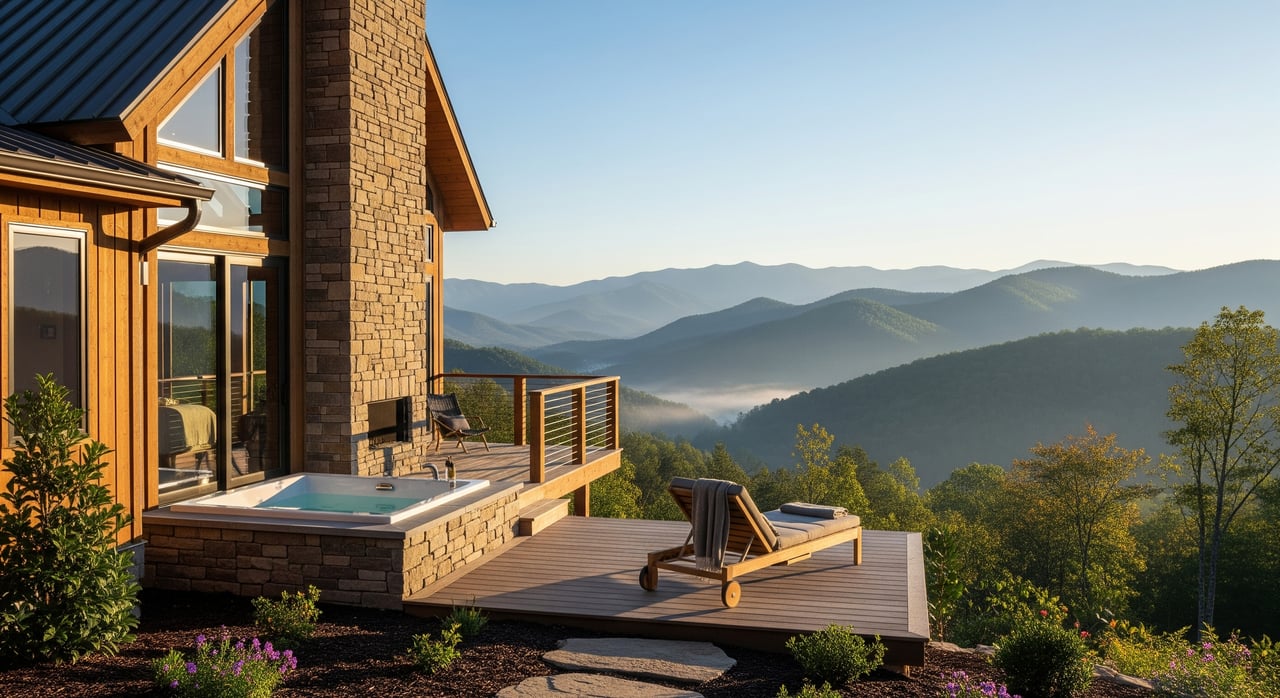
You’ve probably seen Smoky Mountains cabins with eye‑popping calendars and wondered, “How do I know if the numbers will work for me?” If you’re shopping from 37938 in Knox County, you’re close enough to self‑manage, but you still need solid data and a clear plan to avoid surprises. In this guide, you’ll learn how to pick comps, benchmark ADR and occupancy, model expenses, check local rules, and stress test returns before you write an offer. Let’s dive in.
Know what drives demand
National Park pull and trip types
Great Smoky Mountains National Park is the main demand engine. Visitation patterns, holidays, and special events influence seasonality and lead time for bookings. Reviewing park trends helps you frame peaks and valleys throughout the year. You can reference official visitation trends from the National Park Service for Great Smoky Mountains National Park to understand long‑term demand.
- Use park visitation trends to shape your seasonality curve.
- Expect family trips, group reunions, weddings, and outdoor recreation to drive larger party sizes.
- Align your target property’s bedroom count and amenities with that guest mix.
Seasonality you should expect
Spring break, summer, fall leaf‑peeping, and winter holidays are typically the strongest periods. Shoulder months vary by micro‑market and property type. Model revenue month by month rather than relying on a single annual average. Data from STR analytics providers can help you build a realistic monthly profile.
Access from Knoxville and beyond
Drive‑to demand from Tennessee, North Carolina, and Georgia metro areas boosts weekends. Proximity to Knoxville and regional travel corridors supports short stays and last‑minute bookings. This is helpful if you plan to self‑manage from 37938.
Build a tight comp set
Start with the right geography
In the Smokies, crossing just a few miles can put you in a different micro‑market. Segment comps by town and submarket: Gatlinburg, Pigeon Forge, Sevierville, Townsend, or outlying Knox County areas. A 5–10 mile radius is fine as long as you keep similar access, views, and guest expectations.
Match property type, size, and amenities
Compare like for like. A log cabin with a mountain view is not the same as a wooded‑lot chalet. Keep bedroom count and sleeping capacity aligned, since nightly rates correlate strongly with how many guests you can host. Note amenities that move ADR: hot tub, pool, theater room, game room, high‑speed internet, pet friendly, parking, and bathroom count.
Account for listing quality and rules
Review quality of photos, review count, minimum stays, cleaning fee structure, instant book, and cancellation policy. These elements affect conversion, ADR, and occupancy. Higher review volume often signals stronger demand and can justify a rate premium.
Benchmark ADR and occupancy the right way
Use credible data tools
Pull 24 months of monthly ADR and occupancy data for your target property class from a trusted provider. Tools like AirDNA MarketMinder give you ADR, occupancy, and RevPAR by bedroom count and micro‑market. Cross‑check trends with other STR data sources when available.
- Build a comp list of at least 8–12 similar listings.
- Extract ADR, occupancy, RevPAR, cleaning fees, minimum nights, and amenities.
- Note the average length of stay, booking lead time, and blocked owner nights if visible.
Normalize your comp set
Not every comp has the same amenities or restrictions. Adjust ADR expectations for major amenity gaps like no hot tub or a weaker view. Use RevPAR (ADR × occupancy) to compare performance across comps with different seasonality profiles.
Model month by month
Create a revenue model that reflects monthly ADR and occupancy. Annual averages hide the cash flow swings that can matter to lenders and your own budget. Seasonality also guides staffing, supply ordering, and maintenance planning.
Model expenses like a pro
Separate fixed, variable, and reserves
Fixed expenses include property taxes, insurance, internet, and some utilities. Variable costs scale with occupancy, like housekeeping, supplies, platform fees, and payment processing. Always include a capital reserve line for big‑ticket items such as roofs, decks, or hot tub replacements.
Typical expense lines to include:
- Property taxes and insurance (STR‑specific coverage recommended)
- Utilities: electric, propane, water/sewer, trash
- Internet/cable
- Housekeeping/turnover cleaning and restocking supplies
- Maintenance and repairs, plus hot tub or pool service
- Lawn, grounds, and any snow/driveway work
- Platform and payment fees
- Property management fee (if using a manager)
- Licensing, HOA, and marketing
- Capital expenditure reserve
Common ranges to test
- Management fee: co‑hosting 10–20%; full service 20–35% of rental revenue
- Cleaning per turnover: typically $75–$250, higher for larger cabins
- CapEx reserve: 5–10% of gross revenue, adjusted for age/condition
Treat cleaning fees correctly
If your cleaning fee is charged to guests and remitted to you, model it as cleaning revenue and offsetting cleaning expense. This shows the net impact on cash flow and prevents double counting.
Your underwriting worksheet: what to include
Inputs to set:
- Purchase price, closing costs, down payment, loan amount, rate, and amortization
- Rentable nights per year (adjust for any owner use)
- Monthly ADR and occupancy
- Average length of stay and estimated number of turnovers
- Cleaning fee per turnover and policy (guest‑paid or host‑paid)
- Management and platform fee percentages
- Annual amounts for taxes, insurance, utilities, internet, maintenance, hot tub/pool, landscaping, HOA/licensing, marketing/admin
- CapEx reserve percent or fixed dollar amount
Key formulas:
- Nights available = 365 − owner nights
- Nights rented = Nights available × Occupancy
- Gross rental revenue = ADR × Nights rented
- Platform fees = Gross rental revenue × platform %
- Management fee = Gross rental revenue × management %
- Gross operating income = Gross rental revenue + other income − platform fees
- Net operating income (NOI) = Gross operating income − operating expenses (exclude debt service)
- Annual debt service = Monthly mortgage × 12
- Cash flow before taxes = NOI − annual debt service
- Cash‑on‑cash return = Cash flow before taxes ÷ initial cash invested
- Cap rate = NOI ÷ purchase price
- DSCR = NOI ÷ annual debt service
Run sensitivity scenarios:
- ADR down 10% and 20%
- Occupancy down 10% and 20%
- Increased cleaning, repairs, or utilities
Lenders often want DSCR of at least 1.20–1.25 for investment properties. Test your numbers against that threshold.
Taxes, licensing, and permitting in 37938
What to verify
Short‑term rentals must comply with state and local requirements. Tennessee has statewide taxes that apply to lodging and local jurisdictions can add occupancy taxes. Confirm the combined tax rate and how remittance works for your operating model. Also confirm licensing or business permits, parking and quiet‑hours rules, and any registration.
- Verify state sales and lodging tax guidance with the Tennessee Department of Revenue.
- If the property is inside City of Knoxville limits, review the City’s short‑term rental program.
- If the property is in unincorporated Knox County, confirm requirements with Knox County Codes Administration.
- Get quotes for STR‑specific insurance and review coverage limits and exclusions.
Where to check
- Use AirDNA and similar STR tools for market metrics and seasonality.
- Review National Park Service visitation reports for long‑run demand context.
- Consult the Tennessee Department of Revenue for tax guidance.
- Check the City of Knoxville short‑term rental rules if applicable.
- Contact Knox County Codes Administration for county requirements.
Management options and fee tradeoffs
Self‑manage from 37938
If you live nearby, you can handle bookings, guest communication, and vendor coordination. You save the management fee, but you take on time and systems. Plan for after‑hours issues and backup cleaners and handymen.
Co‑host or hybrid approach
Share duties with a local co‑host or vendor team. You may keep control of pricing and marketing while outsourcing turnovers and maintenance. Fees often range from 10–20%, depending on scope.
Full‑service property manager
A professional manager handles revenue management, guest relations, housekeeping, maintenance coordination, and compliance. Expect 20–35% of rental revenue. Model the potential occupancy and ADR lift against the fee to decide if it improves net income.
Key risks to evaluate
- Regulatory shifts: New rules can add costs or limit nights. Confirm current code and permit status, and ask about the local policy climate.
- Seasonality: Shoulder months can produce negative cash flow even when the year is profitable. Budget conservatively and consider longer minimum stays in slow periods.
- Platform reliance: Depending on a single channel exposes you to policy or algorithm changes. Diversify channels and consider direct bookings once you have traction.
- Insurance and liability: Mountain environments bring guest safety and property risks. Obtain appropriate STR coverage and consider umbrella liability.
- Maintenance: Trees, steep driveways, storms, septic systems, and hot tubs require proactive maintenance. Boost your CapEx and repair reserves for mountain properties.
- Competition: New builds or conversions can put pressure on ADR and occupancy.
Ten‑minute checklist before you tour a cabin
- Pull 24 months of monthly ADR, occupancy, and RevPAR for the matching bedroom count and micro‑market.
- Assemble 8–12 close comps with similar size, capacity, and amenities; record cleaning fees and minimum nights.
- Estimate monthly revenue using RevPAR and adjust for owner use.
- Draft a realistic expense stack, including management, cleaning, utilities, and a 5–10% CapEx reserve.
- Calculate NOI, DSCR, cash‑on‑cash, and cap rate; run downside scenarios.
- Confirm taxes, permits, and any HOA or neighborhood restrictions.
- Get at least one STR insurance quote and one property management estimate.
How we can help
If you want a curated list of Smoky Mountains opportunities aligned to your budget and goals, you do not have to start from scratch. Request a customized list with comps and receive a simple underwriting worksheet you can use for every prospect. When you are ready to walk through numbers and next steps, schedule a free consultation with Nancy Keith.
FAQs
How do I estimate occupancy for a Smoky Mountains STR?
- Pull at least 24 months of monthly occupancy for your property class from a trusted STR data provider and build a month‑by‑month model rather than using a single annual average.
What should 37938 buyers check for STR taxes and permits?
- Verify state sales and lodging tax rules with the Tennessee Department of Revenue, then confirm local requirements with the City of Knoxville if inside city limits or Knox County Codes Administration if in unincorporated areas.
What management fee is typical for Smoky Mountains cabins?
- Co‑hosting often ranges from 10–20% of rental revenue, while full‑service managers typically charge 20–35%, depending on services and the market.
How should I treat cleaning fees in my underwriting?
- If guests pay the cleaning fee and it is remitted to you, model it as cleaning revenue and offset it with the cleaning expense so you capture the net effect accurately.
What DSCR target should I use for financing an STR?
- Many lenders look for a DSCR above 1.20–1.25; test your underwriting against that threshold and run downside scenarios to see how resilient your cash flow is.