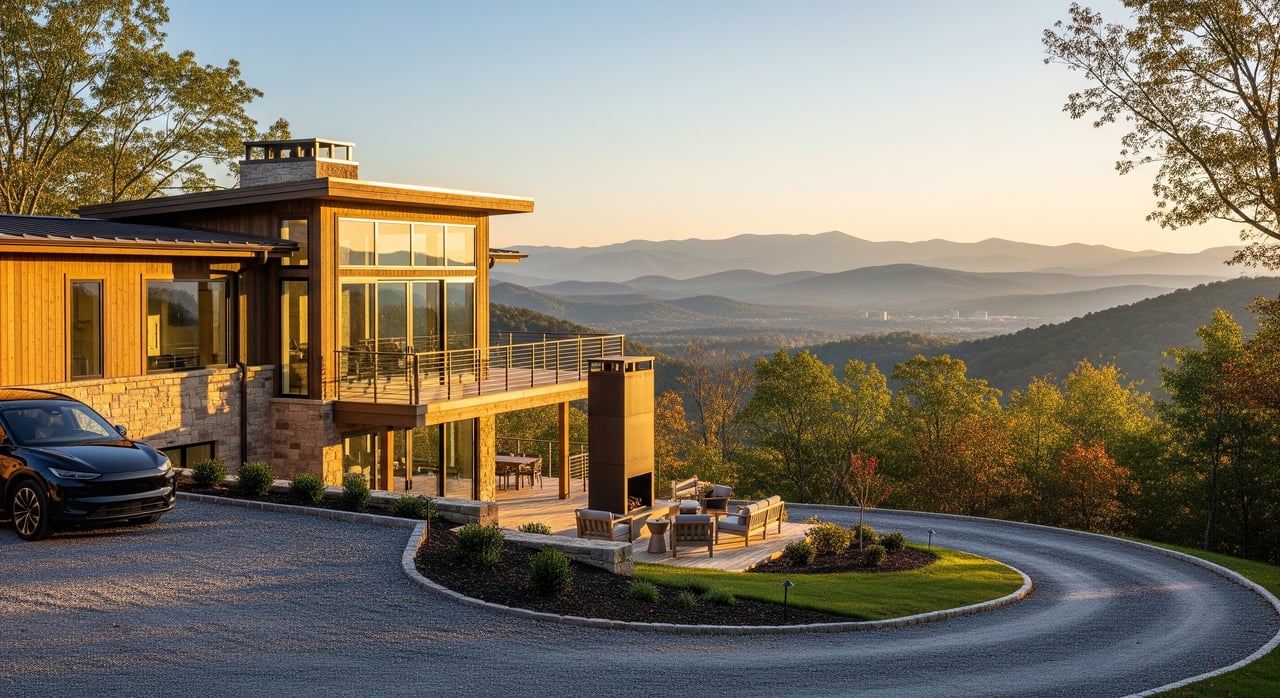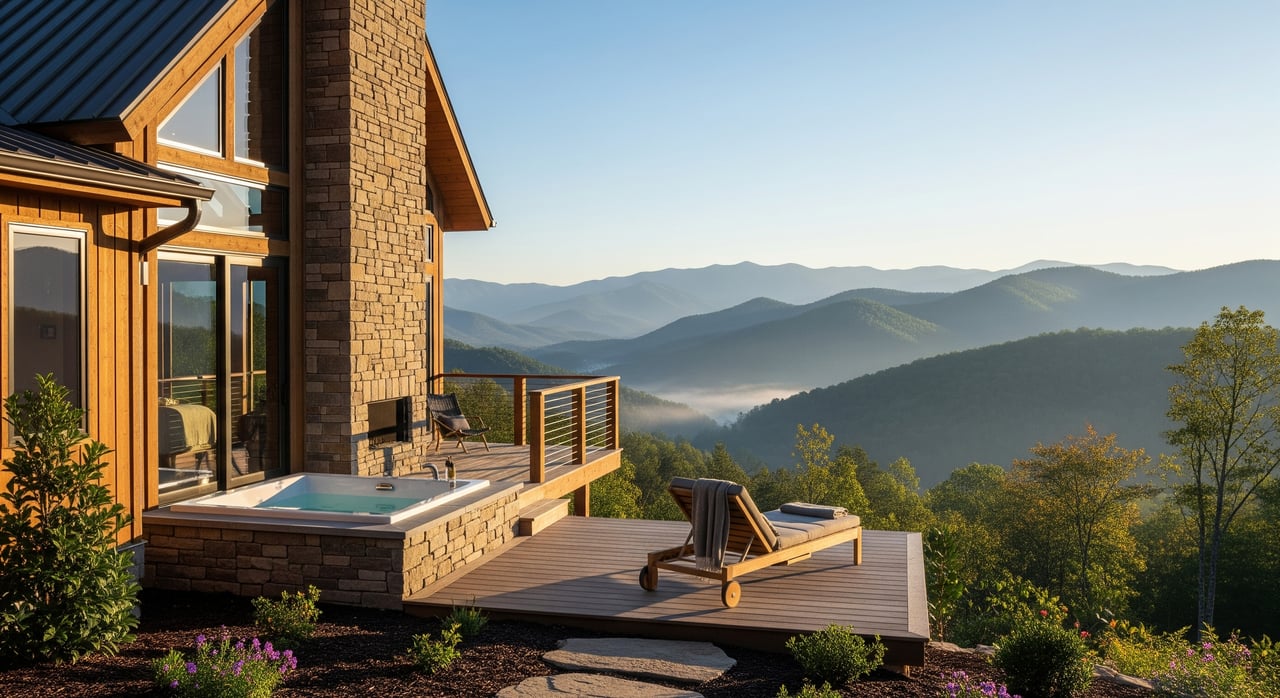
A Smoky Mountains vacation home can be a dream purchase, but it is rarely a simple one. If you are picturing mountain views, personal getaways, and the option to rent the property part of the year, you also need to think about access, financing, permits, taxes, and local rules before you make an offer. With so many moving parts, the right plan can help you avoid expensive surprises and buy with confidence. Let’s dive in.
Why Smoky Mountains planning matters
The Smokies draw enormous visitor traffic, and that directly shapes how vacation home purchases work in this market. Great Smoky Mountains National Park recorded 11,527,939 recreation visits in 2025, and the National Park Service says 2024 visitors spent more than $2 billion in nearby communities. That level of tourism is a big reason buyers need to look closely at drive times, parking patterns, rental rules, and property use.
Access is also more important than many buyers expect. The National Park Service warns that GPS apps can misroute drivers in the mountains, cellular coverage can be limited, and traffic often gets heavier later in the morning. In practical terms, that means you should verify the real route, road condition, and winter access instead of assuming the map on your phone tells the whole story.
Start with your property goals
Before you tour cabins or compare neighborhoods, get clear on how you want to use the home. Your plan for personal use, occasional renting, or frequent short-term rental activity can affect financing, taxes, and local permit requirements. A property that works well as a true second home may be treated very differently from one intended primarily as a rental.
This is one of the most important early conversations you can have. If you expect rental income to help support the purchase, you want to know upfront how that may affect your loan options and your monthly budget. A clear use plan helps you search smarter and avoid wasting time on homes that do not fit your goals.
Understand second-home financing basics
For many buyers, the first checkpoint is whether the property is likely to qualify as a second home or an investment property. Fannie Mae says a second home must be a one-unit property, occupied by the borrower for some portion of the year, suitable for year-round occupancy, and not subject to rental pools or management agreements that control occupancy. Freddie Mac uses similar standards and says the property must be kept available primarily for your personal use.
That distinction matters because not every mountain cabin fits the second-home box. If the home lacks acceptable year-round access or is tied to a rental arrangement that limits your control, it may not qualify. If you plan to rely on rental income or operate the property more like a professionally managed short-term rental, your lender may view it more like an investment property.
Budget beyond the purchase price
Your budget should include far more than the list price and mortgage payment. The Consumer Financial Protection Bureau says homeowner's insurance, property taxes, and possibly HOA fees are typically part of your monthly housing costs. It also notes that closing costs commonly run about 2% to 5% of the purchase price.
For a Smokies vacation home, it is smart to budget for:
- Down payment
- Closing costs
- Property taxes
- Homeowner's insurance
- HOA or POA dues, if applicable
- A reserve cushion for repairs, access issues, and seasonal costs
It is also wise to compare multiple loan options. The CFPB recommends reviewing Loan Estimates from at least three lenders so you can compare rates, fees, and monthly costs side by side.
Check access, roads, and year-round use
Mountain properties can look perfect online and feel very different in person. A steep road, limited turnaround space, or weather-related access issue can affect both your enjoyment of the home and its financing eligibility. Fannie Mae's property eligibility standards also tie back to whether a home is suitable for year-round occupancy and reachable by roads that meet local standards.
This is where local guidance matters. You want to confirm how the property is actually reached, whether the route is dependable in winter, and whether guests or service providers can realistically get there without confusion. In a market where GPS can be unreliable, a road test is not optional.
Review local rental rules carefully
One of the biggest mistakes buyers make is assuming all Smoky Mountains cabins can be used the same way. In reality, the permit path depends on the exact jurisdiction. A home in unincorporated Sevier County, Sevierville, Gatlinburg, or Pigeon Forge may face different rules, fees, and renewal requirements.
Here is a quick overview based on the local rules in the research:
| Area | Key STR Rule Highlights |
|---|---|
| Unincorporated Sevier County | Short-term rental permit required, valid 12 months, annual fee starts at $250 for occupancy of 12 or less, with life-safety requirements such as smoke alarms, carbon-monoxide alarms, and fire extinguishers |
| Sevierville | Separate annual operational permit system, includes planning and fire review, requires life-safety inspection and yearly renewal |
| Gatlinburg | Overnight rentals allowed only where zoning permits, Tourist Residency Permit required, fee starts at $200 for units with two or fewer bedrooms plus $75 for each additional bedroom |
| Pigeon Forge | Annual operating permit required, $300 application fee, 24/7 contact must respond within 45 minutes, annual renewal required, permit is non-transferable |
Those differences can affect your timeline, your startup costs, and even whether the property works for your plan at all. If you are shopping outside Knoxville with the goal of owning a Smokies vacation home, the exact address matters just as much as the cabin itself.
Do not skip HOA and POA review
Even when local rules allow short-term rentals, private community rules may be stricter. HOA and POA documents can limit rental activity, impose minimum-stay requirements, restrict parking, or regulate the use of outside management companies. That is why buyers should review the declaration, bylaws, rental caps, and management provisions before moving forward.
This review is especially important if you hope to finance the purchase as a second home. Fannie Mae says second-home loans cannot be subject to agreements that give a management firm control over occupancy. In other words, a community's rental setup can affect both how you use the home and how you finance it.
Plan for taxes early
If you expect to rent the property at all, tax planning should start before closing. IRS guidance says owners generally must split expenses between rental and personal use when a property is used for both. The tax treatment can change based on how many days the property is rented and how many days you use it personally.
Tennessee also has its own short-term rental tax rules. State guidance defines a short-term rental unit as a residential dwelling rented for less than 30 continuous days, and short-term rentals of less than 90 consecutive days are generally subject to sales tax. Local occupancy tax rules may also apply, and collection responsibilities can vary depending on whether a platform or property manager is involved.
Because these rules can affect your net numbers, it is smart to ask a tax professional to model your expected personal-use days, rental activity, and Tennessee tax obligations before you finalize the purchase.
Follow a smart planning sequence
The order of your due diligence can make the process much smoother. Based on the financing, tax, and local permit factors in this market, a practical sequence looks like this:
- Ask your lender whether the property is likely to qualify as a second home or an investment property.
- Have a local real estate professional screen the jurisdiction, zoning, HOA rules, access, and flood exposure.
- Ask a tax professional to review personal-use days, rental income plans, and Tennessee or local tax obligations.
- Confirm access details and any flood insurance questions before closing.
This sequence helps you answer the biggest deal-breaking questions first. It can also save you from spending money on inspections and appraisals before you know whether the property truly fits your goals.
Questions to ask before making an offer
When you compare Smokies vacation homes, a few pre-offer questions can save you time and money. These are the issues most likely to change whether the purchase works as a getaway, a rental, or both.
Ask these questions early:
- Is the property in a city or in unincorporated Sevier County?
- Is short-term rental use allowed by zoning?
- Do the HOA or POA documents limit rentals, parking, or management?
- Does the road and access setup support year-round use?
- Is the site in a flood-prone area?
- Does the permit need annual renewal?
- Is the permit non-transferable to a new owner?
A beautiful property can still be the wrong fit if one of these answers creates a problem. Careful screening is what turns a mountain dream into a sound purchase.
Buy with local guidance
Buying a vacation home near the Smokies is not just about finding a cabin you love. It is about matching your lifestyle goals, financing strategy, and rental plans to the realities of the property and its location. When you take the time to verify access, confirm the rules, and build a realistic budget, you put yourself in a much stronger position.
If you are considering a Smoky Mountains vacation home purchase from the Knoxville area, working with an experienced local advisor can help you sort through the details before they become problems. For personalized guidance on your next move, schedule a free consultation with Nancy Keith.
FAQs
What should you check first when planning a Smoky Mountains vacation home purchase?
- Start by asking your lender whether the property is likely to qualify as a second home or an investment property, because that can shape your financing options, budget, and property search.
How do local rules affect a Smoky Mountains vacation home purchase?
- Local rules can affect whether short-term rental use is allowed, what permit is required, how much the fees are, what safety items must be installed, and whether the permit must be renewed each year.
Why does road access matter for a Smoky Mountains vacation home purchase?
- Road access matters because mountain routes can be harder to navigate than expected, GPS may be unreliable, winter conditions can affect usability, and financing guidelines may require the home to be reachable by roads that meet local standards.
What costs should you budget for with a Smoky Mountains vacation home?
- Budget for the down payment, closing costs, property taxes, homeowner's insurance, possible HOA dues, and a reserve cushion for repairs or seasonal issues.
Can HOA rules limit a Smoky Mountains vacation home rental plan?
- Yes, HOA or POA rules can be stricter than city or county rules and may limit rentals, set minimum stays, restrict parking, or regulate management arrangements.
How are taxes handled for a Smoky Mountains vacation home used personally and as a rental?
- Tax treatment generally depends on how many days you use the home personally and how many days it is rented, so owners usually need to split expenses between personal and rental use and review Tennessee tax obligations as well.