Buying a waterfront home in Watts Bar Estates can feel like landing your dream lifestyle and a complex property decision at the same time. You are not just buying a house with a view. You are also evaluating shoreline rights, dock rules, flood exposure, drainage, and long-term usability. If you want to make a smart purchase in Loudon, this guide will help you focus on the issues that matter most before you close. Let’s dive in.
Waterfront Means More Than Water Views
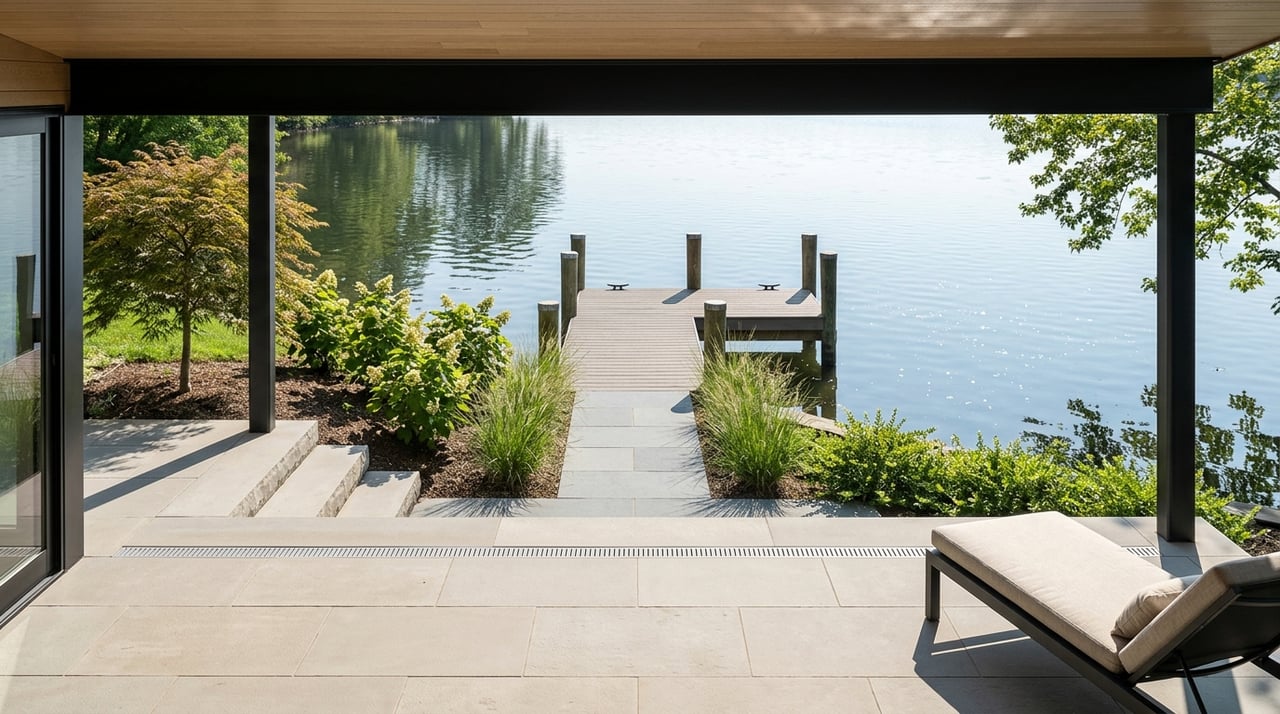
A waterfront home in Watts Bar Estates offers direct access to Watts Bar Reservoir, a TVA-managed reservoir on the Tennessee River. According to TVA’s Watts Bar reservoir information, the reservoir stretches 72.4 miles, includes about 722 miles of shoreline, and covers more than 39,090 acres of water surface.
That scale is part of the appeal, but it also shapes how you should evaluate a property. TVA notes that winter and summer water elevations differ, with a minimum winter elevation of 735 feet and a typical summer operating range of 740 to 741 feet. In practical terms, your shoreline, water depth, and dock access may look different depending on the season.
That is why it helps to think of a waterfront lot as both a view lot and a use lot. A beautiful backyard view is valuable, but you also want to know how usable the shoreline is when water levels shift.
Check TVA Land Rights First
One of the biggest mistakes buyers make is assuming that every waterfront parcel automatically comes with dock rights. TVA states in its shoreline construction permit FAQ that some parcels have TVA land or TVA land rights between the home site and the water.
That detail matters because a property can sit on the water and still have limits on what you can build or use along the shoreline. Before you get too attached to a home, confirm whether the lot has the land rights needed for the dock or shoreline access you want.
If the seller markets the home as dockable or highlights shoreline improvements, those claims should be verified with documents, not just listing language. This step can protect you from expensive surprises after closing.
Confirm Dock Permits and Compliance
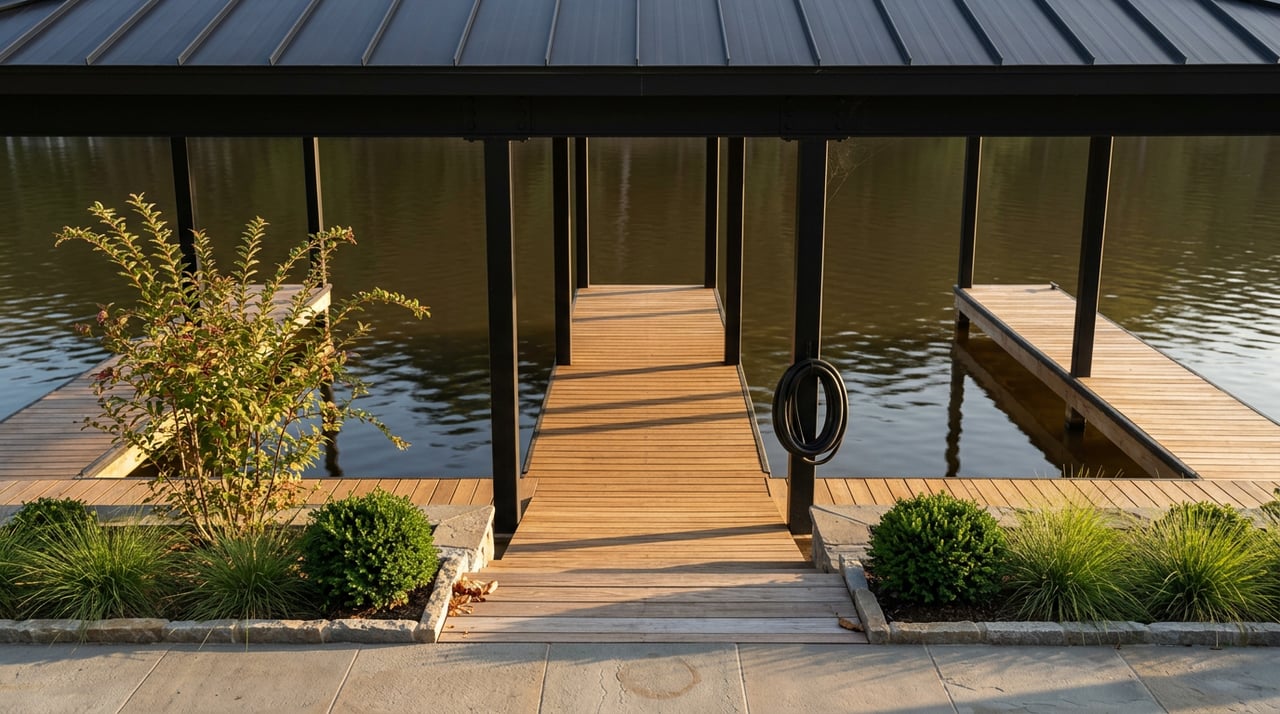
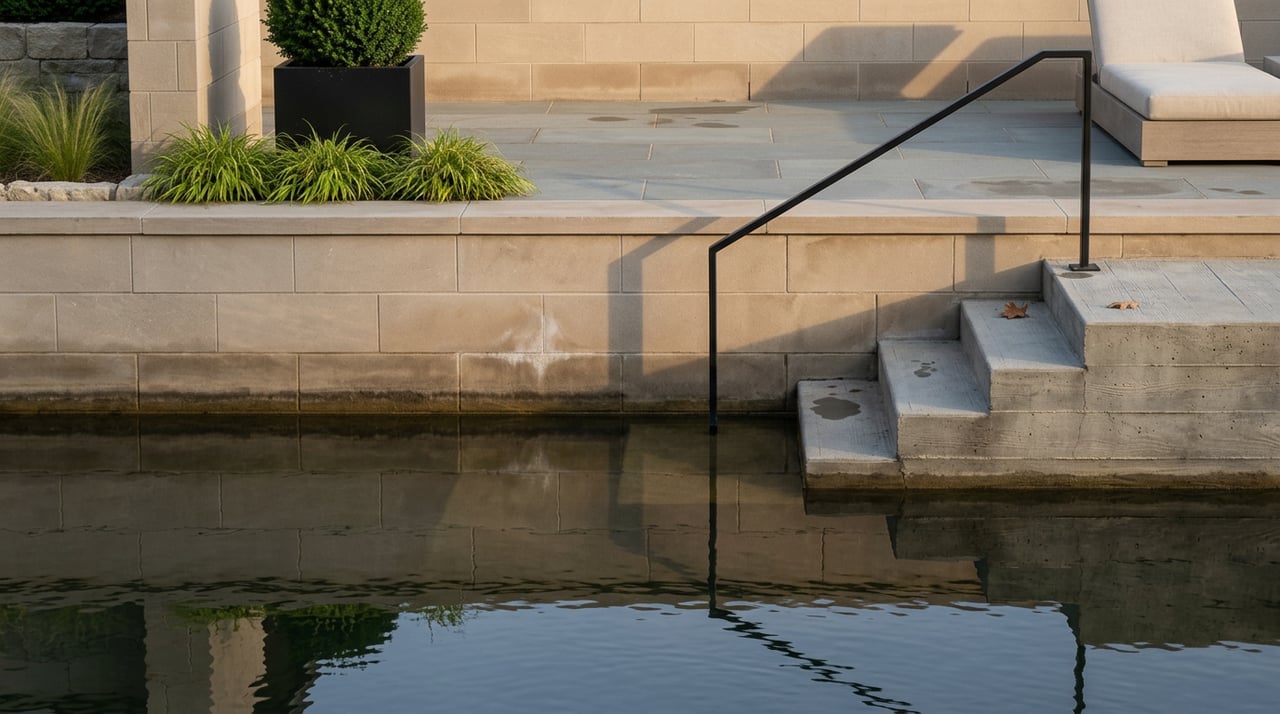
If the property already has a dock, pier, walkway, steps, or shoreline stabilization, you should confirm that the improvements were properly approved. TVA says approval is required before shoreline construction or alteration begins, including residential docks, piers, boathouses, walkways, steps, stabilization work, and vegetation removal.
Just as important, TVA also says that even small dock changes require approval and that what exists on site must match the approved permit plans. So if a dock was expanded, covered, enclosed, or modified over time, that can become a problem for the next owner.
A good pre-closing question is simple: does the current structure match TVA approval today? If the answer is unclear, that issue deserves follow-up before you move forward.
Permit Transfer Has a Deadline
TVA also makes clear that shoreline approvals do not automatically transfer with the sale. Under TVA’s buying or selling waterfront property guidance, the new owner must apply for a Section 26a permit within 60 days of closing.
That means permit transfer is not something to put off until months after move-in. If the dock was previously permitted but no longer matches the approved configuration, you may need a new permit before making further changes.
This can affect your timeline, your costs, and your willingness to take on a property with unresolved shoreline questions. It can also become a negotiation point before closing.
New Docks Take Planning Time
If you are buying a lot or a home without an existing dock, you should understand the approval process before you assume you can build one later. TVA says a new dock application requires the property location, a project plan or drawing, and land rights that allow the dock.
TVA also notes that in new developments, residential water-use facilities are generally limited to 1,000 square feet or less plus an access corridor, though some waivers may apply based on location. Review time can take up to 120 days, and some applications also require state water-quality approvals first.
TVA further states that permits can expire if construction does not begin within 18 months. So if your purchase decision depends on future dock construction, timing should be part of your due diligence, not an afterthought.
Review Flood Risk Early
A waterfront purchase should always include an early flood-risk review. The official place to start is the FEMA Flood Map Service Center, where you can search a property address and identify the effective flood map for that parcel.
Flood maps matter because lenders use them to determine insurance requirements. FEMA states that homes in a Special Flood Hazard Area with a government-backed mortgage are required to carry flood insurance. FEMA and FloodSmart also note that some lenders may require flood insurance even outside high-risk zones, and most homeowners insurance does not cover flood damage.
This is one reason flood review should happen early in the contract period. It can affect your monthly cost, your lender requirements, and your comfort level with the property.
Flood Insurance Timing Matters
Flood coverage is not always instant. FEMA explains in its flood insurance guidance that NFIP policies typically have a 30-day waiting period before taking effect, unless an exception applies.
That timing can matter if your lender requires coverage before closing. It is another reason to investigate flood status as soon as possible instead of waiting until the final week of the transaction.
For waterfront buyers, this is less about worst-case thinking and more about smart planning. You want a clear picture of both risk and cost before you are fully committed.
Look Beyond the House Itself
A standard home inspection is important, but waterfront homes usually need more than that. Tennessee licenses home inspectors, and the state home inspector board is a useful place to confirm that you are working with a licensed professional.
For a waterfront property, the most useful approach is to pair the standard inspection with add-on reviews where needed. That often includes dock and shoreline review, flood and drainage review, and septic review if the home is not connected to sewer.
This matters because many of the biggest waterfront costs are outside the walls of the home. A beautiful interior does not tell you whether the shoreline is compliant, the drainage is sound, or the dock is legally usable.
Drainage and Erosion Deserve Special Attention
Drainage issues can be easy to miss during a quick showing, especially in dry weather. But Loudon County’s stormwater program notes that runoff from driveways, construction sites, streets, and other surfaces can flow into Watts Bar Lake and nearby tributaries.
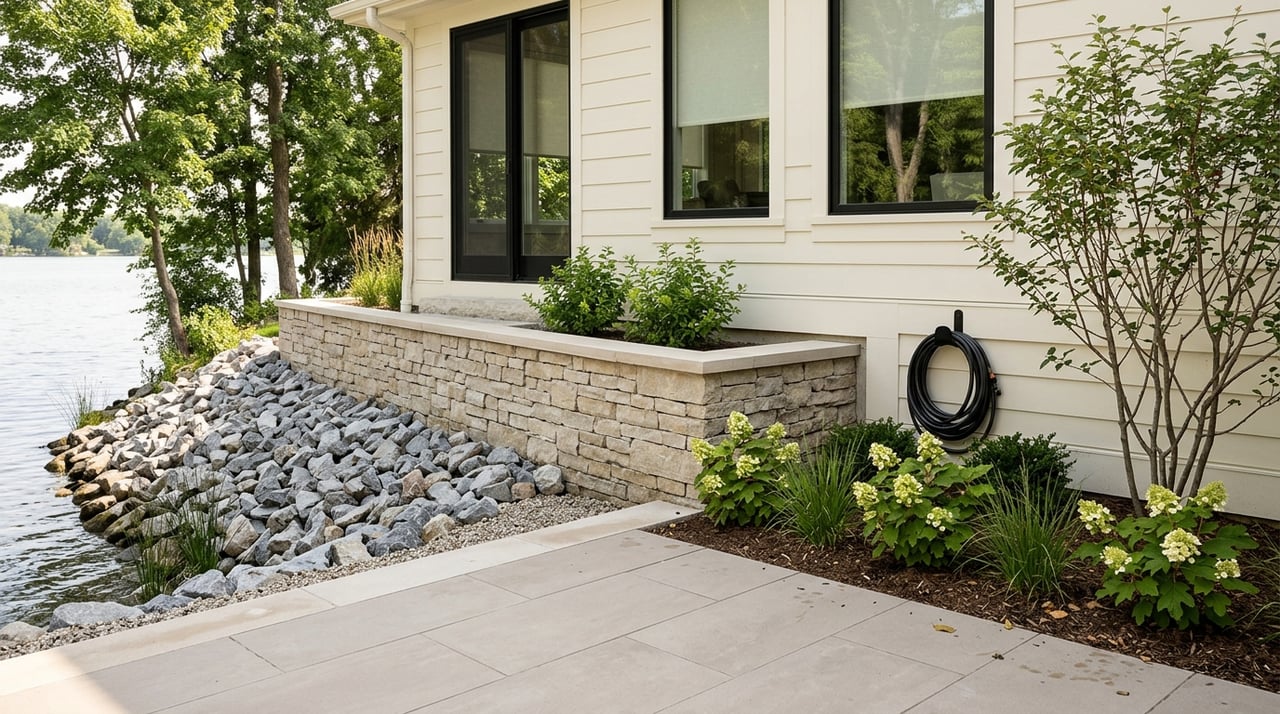
That is why grading, retaining walls, shoreline stabilization, gutters, and runoff paths deserve a close look. If a property shows signs of erosion, pooling water, or bank wear, those conditions may affect both usability and future costs.
A waterfront lot should function well during more than one season and more than one weather pattern. The goal is to understand how the site handles water, not just how the home shows on a sunny day.
Check Floodplain Rules and Future Plans
If you plan to remodel, expand, or rebuild, you should also review local rules tied to flood hazards and permitting. Loudon County’s floodplain ordinance treats floodways as especially hazardous areas and prohibits certain encroachments that would increase flood levels.
The ordinance also requires new construction and substantial improvements in special flood hazard areas to meet elevation or floodproofing standards. That can influence what is practical on a given parcel.
If your purchase only makes sense with future changes, confirm the path before closing. Loudon County’s residential permit information notes that projects may require items such as septic permits, driveway permits, site plans, and contractor information.
Septic and Water Service Need Their Own Review
Many buyers focus heavily on the dock and the view, then give too little attention to septic or private water systems. If the property uses septic, Tennessee states that a septic construction permit is required to install or repair a system.
State guidance also says septic systems should be inspected at least every three years and pumped every three to five years. If the home has a septic system, ask about the age, service history, and any past repairs.
If the property relies on a well, spring, or pond, the owner is responsible for testing and maintenance. Those are not reasons to avoid a property, but they are reasons to gather clear facts before closing.
Price the Property Based on Usability
When you buy in Watts Bar Estates, the real value is often tied to how usable the waterfront actually is. TVA’s rules make clear that a parcel can be waterfront without being dock-eligible, and existing shoreline structures may not transfer cleanly if approvals are missing or outdated.
That means pricing should reflect more than the view. It should also reflect dockability, permit clarity, shoreline condition, seasonal water function, flood exposure, and likely near-term repair or compliance costs.
In many transactions, the strongest leverage appears when due diligence uncovers one of a few specific issues:
- Unpermitted shoreline work
- A dock that no longer matches TVA approval
- Erosion or drainage concerns
- Septic or flood issues that may require post-closing cash
These findings can support a repair credit, a permit-compliance contingency, or a price adjustment. A well-structured offer should account for both the home and the waterfront systems that come with it.
Smart Questions to Ask Before Closing
Before you move forward on a waterfront purchase in Watts Bar Estates, make sure you can answer these questions with confidence:
- Is the dock permitted, and does the permit match what exists today?
- Does the lot have the TVA land rights needed for a dock or shoreline improvements?
- Are there any covered, enclosed, or modified dock elements that may need correction or removal?
- Is the property in a FEMA flood zone or floodway, or could it trigger lender insurance requirements?
- If the home is on septic, what is the system’s age and maintenance history?
- Does the shoreline remain functional at lower seasonal water levels?
- Are there visible drainage, runoff, or erosion concerns on the lot?
The more clearly you can answer these questions, the more confidently you can move ahead.
Buying a waterfront home in Loudon should feel exciting, but it should also feel informed. In Watts Bar Estates, the best purchases usually happen when you evaluate the property as a full package of home, shoreline, permits, and future usability. If you want experienced guidance as you compare waterfront opportunities in East Tennessee, Nancy Keith offers knowledgeable, hands-on support to help you navigate the details and make a confident move.
FAQs
What should you verify before buying a waterfront home in Watts Bar Estates?
- You should verify TVA land rights, dock permit status, flood-zone information, shoreline condition, drainage, and septic details if the property is not on sewer.
Does a dock permit transfer automatically with a Watts Bar Estates home sale?
- No. TVA says the new owner must apply for a Section 26a permit within 60 days of closing.
Can every waterfront lot in Watts Bar Estates have a dock?
- No. TVA states that dock eligibility depends on the parcel’s specific land rights and whether TVA land or land rights exist between the property and the water.
Why do seasonal lake levels matter for waterfront homes in Loudon?
- TVA manages Watts Bar Reservoir at different seasonal elevations, which can affect shoreline exposure, water depth, and dock usability.
How do you check flood risk for a waterfront property in Loudon County?
- You can search the property address through FEMA’s official Flood Map Service Center to review the effective flood map and possible insurance implications.
What inspections are most important for a Watts Bar Estates waterfront home?
- In addition to a standard home inspection, you should consider dock and shoreline review, flood and drainage review, and septic review when applicable.